Now we,
Sugimoto America, are very happy to announce that 2010
Shincha preorder has started.
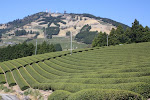
Shincha literally means "new tea" in Japanese and is the very first cut of green tea. During the wintertime, tea plants absorb and stock nutrients from soil. When the spring arrives, the plants, full of energy and nutrients, begin to sprout and show the amazing color of vibrant green.
Shincha is technically equal to
Sencha, which is made of young tea leaves only. But only the tea harvested in early spring is called "
Shincha."
Shincha has much more
Theanine, the component of sweetness, than
Sencha.
Just like the last year, we offer 3 kinds of
Shincha -
Temomi Shincha,
Hashiri Shincha, and
Hachiju Hachiya Shincha. Last year, surprisingly, there were so many inquiries for
Temomi Shincha. Not only to the U.S., we sent the
Temomi to France!
 Temomi ShinchaTemomi
 means "
hand kneading" in Japanese and
Temomi Shincha is 100% hand-made green tea. When the Sen
Cha was created centuries ago, this
Temomi method is commonly used, but today machine replaces the labor. Recent years,
Temomi technique is vanishing.
Temomi Shincha is a very special tea for a special
occasion. If you would like to try the truly traditional taste of green tea, this is definitely your choice.
 Hashiri ShinchaHashiri
 means "early season" in Japanese. Our
Hashiri Shincha is produced from very young leaves harvested at the end of April. These early-season leaves are very soft and contain a lot of sweetness. This is the taste of spring.
 Hachiju Hachiya ShinchaHachiju Hachiya
 literally means "88 nights," and refers to the eighty-eighth day since the beginning of spring. The period of time lets tea plants matured, and
Hachiju Hachiya tea leaves have the perfect balance of sweetness and bitterness.
Shincha is a special tea for Japanese people. I believe these
Sinchas will herald the arrival of spring.


 My mother, Kazue Sugimoto, has 15-year experience as Temomi technician. In 1995, she started making Temomi Cha just for her enjoyment, but now she recognized importance to preserve this traditional craft art for the next generation. She is very pleased to have this opportunity to present Temomi Shincha to American tea lovers.